
Industries
Advertising for trade businesses
Most trade firms have too much work and too few staff. That inverts the entire advertising brief, and almost nobody adjusts for it.
2 min readMar 6, 2026
Section
What actually works in each industry, with budgets and channel mix.
Industries
Most trade firms have too much work and too few staff. That inverts the entire advertising brief, and almost nobody adjusts for it.

Industries
Roofing demand is weather-driven, seasonal, and half of it is an emergency. Three different campaigns, not one.

Industries
Small callouts pay poorly and fill the diary. Advertising should be aimed at the three job types that actually carry the business.
Industries
The emergency call and the heating replacement are two different customers. One is found in seconds, the other over months.

Industries
A trade where the work is entirely visual and most firms advertise with text. The gap is the whole opportunity.

Industries
Bespoke joinery competes with flat-pack on price and cannot win. It competes on fit, material and permanence and wins easily, if it says so.
Industries
The whole market decides in six weeks of early spring. Everything else in the year is preparation for those six weeks.

Industries
Construction work is awarded through relationships, references and tenders. Advertising plays a smaller role than in any other trade, and a specific one.

Industries
A market where demand follows energy prices and policy announcements, and where trust has been damaged by aggressive selling. Both facts shape the advertising.
Industries
The technology is contested in public debate, the grants change annually, and customers arrive with contradictory information. That is the marketing brief.

Industries
A category with a serious reputation problem caused by a minority. Honest pricing is not just ethical here, it is the most effective differentiator available.

Industries
A once-in-a-decade purchase decided in a fortnight, with three quotations and no loyalty. The advertising has to be present at exactly the right moment.
Industries
A contract business with high churn and thin margins, where the entire marketing task is winning the first meeting.
Industries
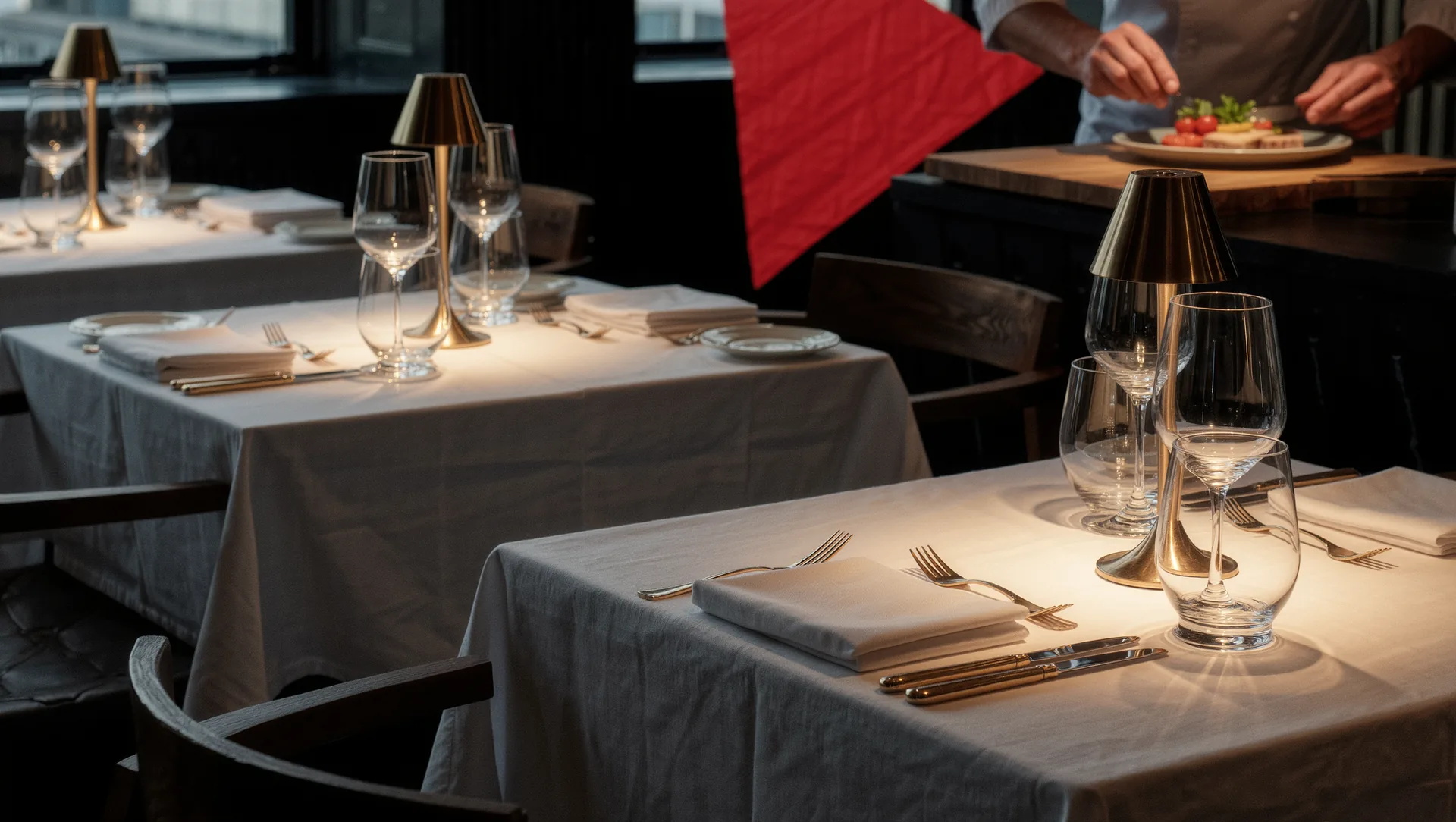
Most people choose a restaurant on a phone, within two kilometres, in the ten minutes before they decide. Everything else is secondary.

Industries
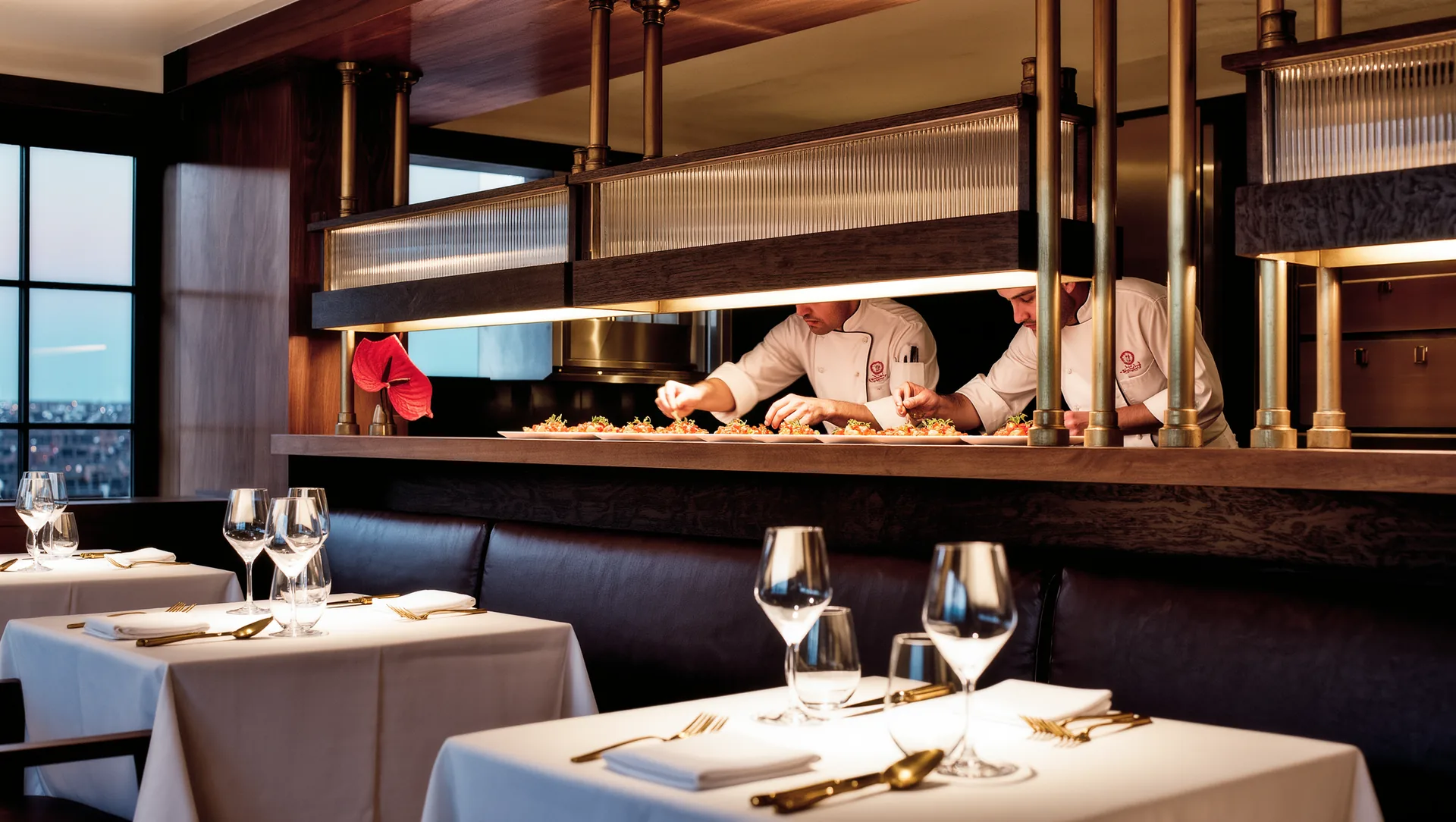
A business of habit and footfall, where the shop window does more work than any campaign and the second visit matters more than the first.
Industries
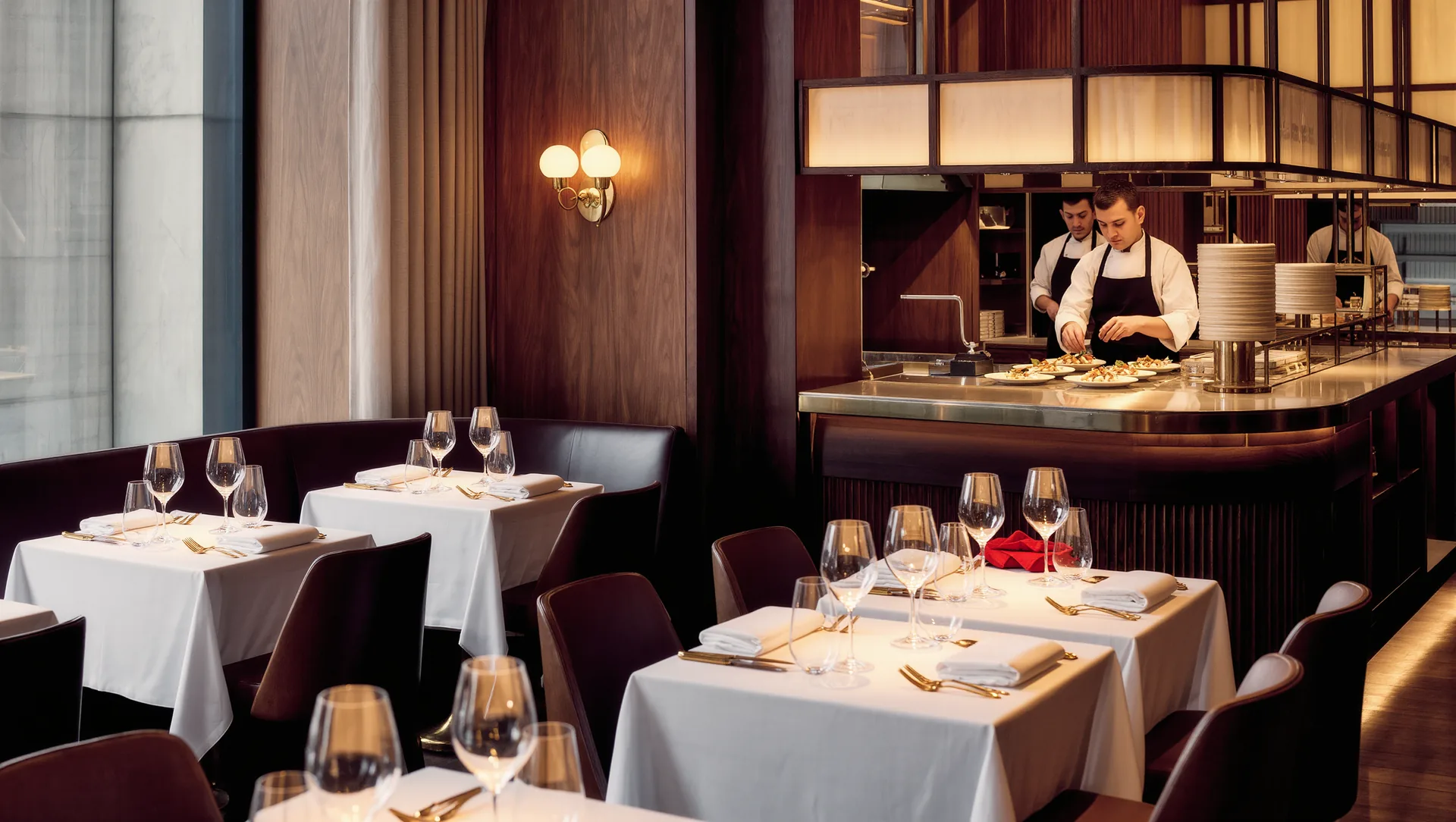
Platform commission decides whether the business works. Every marketing decision should be measured against how much it shifts orders to your own channel.
Industries
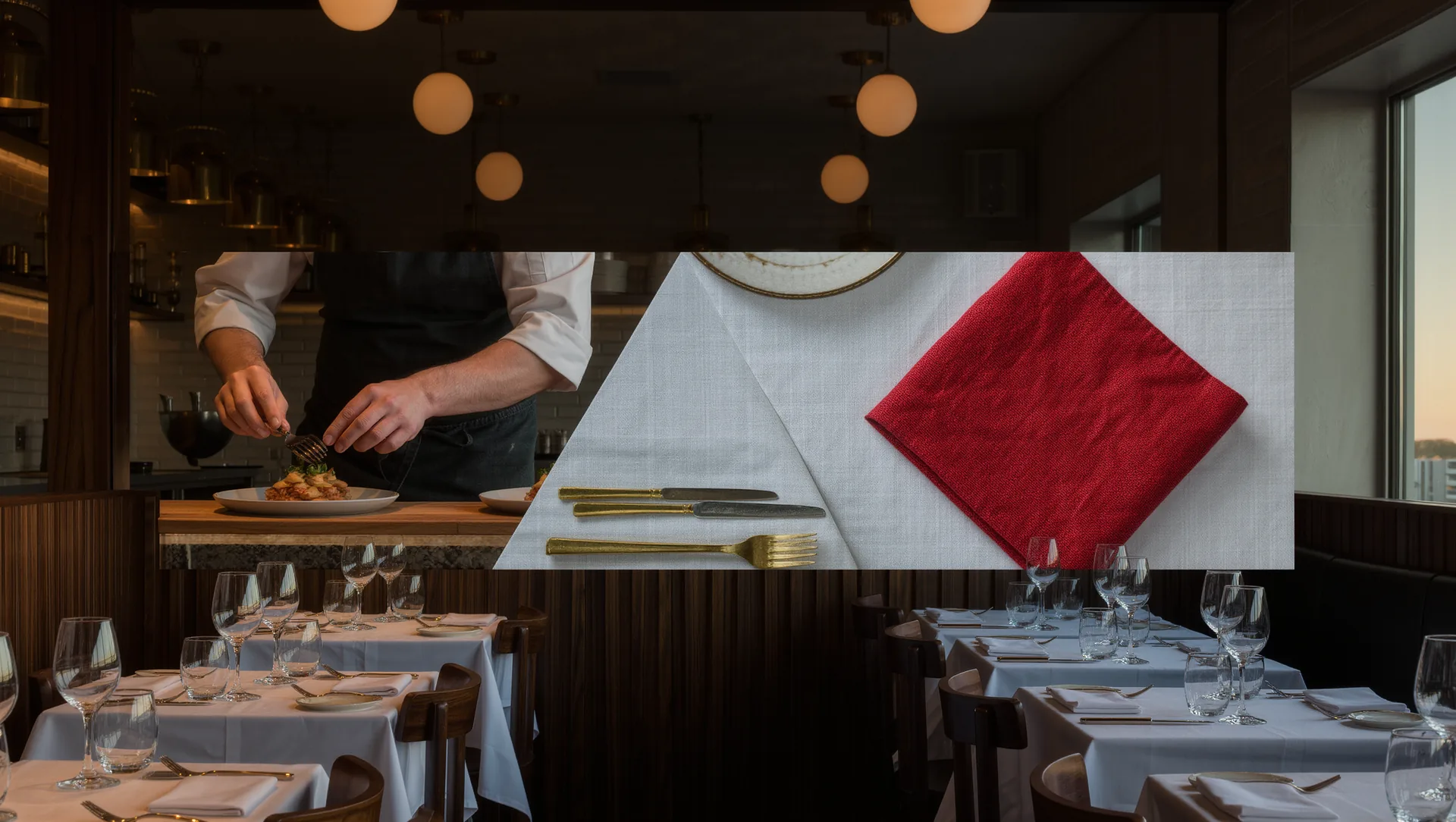
Two markets share a kitchen: corporate catering, which recurs, and private events, which do not. The advertising for each is entirely different.
Industries
Every booking through a portal costs 15 to 25 per cent. The entire marketing question is how many of those bookings you can move to your own site.

Industries
Platform fees, algorithmic visibility and a hundred identical listings. The way out is a direct channel and repeat guests, built over three seasons.

Industries
The decision is made on a phone at nine in the evening by a group who cannot agree. Advertising here is about being the easy answer.

Industries
The shop competes with a phone in the customer's hand. It wins on immediacy, advice and the things a delivery cannot do.

Industries
Traffic is buyable and margin is not. The shops that survive are the ones that know their contribution per order before they raise a bid.
Industries
A purchase considered for weeks, decided in a room, and delivered in twelve. The advertising has to survive that whole span.

Industries
An average sale of £18,000, a decision taking four months, and three competing quotations. Advertising here buys appointments, nothing else.