
Strategy & Craft
Splitting an ad budget: the 70-20-10 rule
Seventy per cent on what works, twenty on scaling, ten on experiments. The rule is old, simple, and violated in almost every account.
2 min readMay 9, 2026
Section
Briefing, positioning, copy, design, media planning and measurement.
Strategy & Craft
Seventy per cent on what works, twenty on scaling, ten on experiments. The rule is old, simple, and violated in almost every account.
Strategy & Craft
Percentage-of-revenue rules are widely quoted and mostly wrong. The answer comes from your own numbers in four steps.
Strategy & Craft
A bad brief produces bad work at full price, and the client pays twice. Eight questions, two pages, three hours of your time.
Strategy & Craft
Advertising amplifies whatever you already are. If that is indistinguishable from four competitors, the budget amplifies the confusion.
Strategy & Craft
Age, income and interests describe a category, not a customer. Three better questions produce a definition you can actually target.

Strategy & Craft
Customers do not buy specifications. They buy the change the specification produces, and most advertising never mentions it.
Strategy & Craft
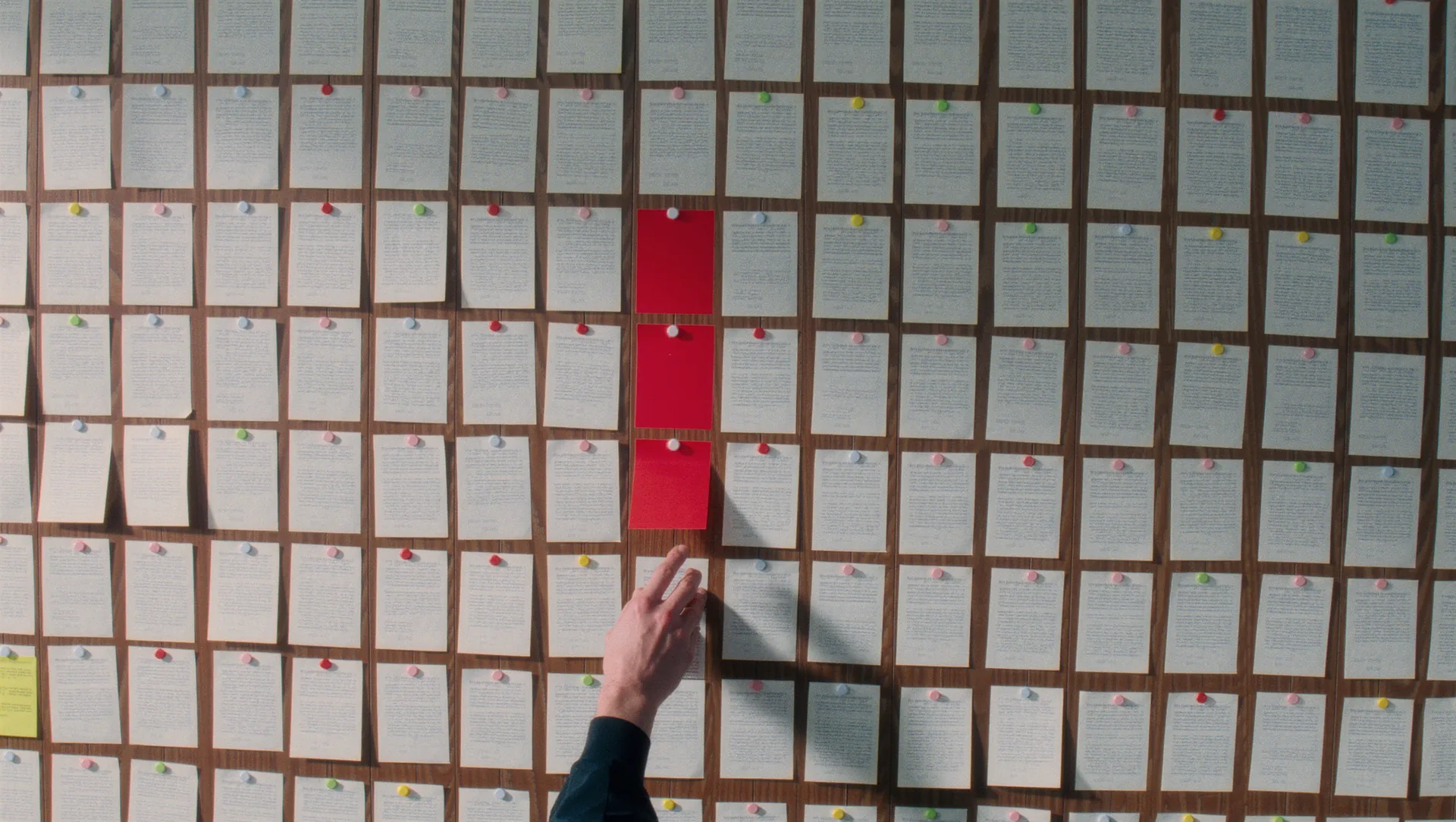
An objective without a number and a date is a hope. Four components turn it into something a campaign can be judged against.
Strategy & Craft
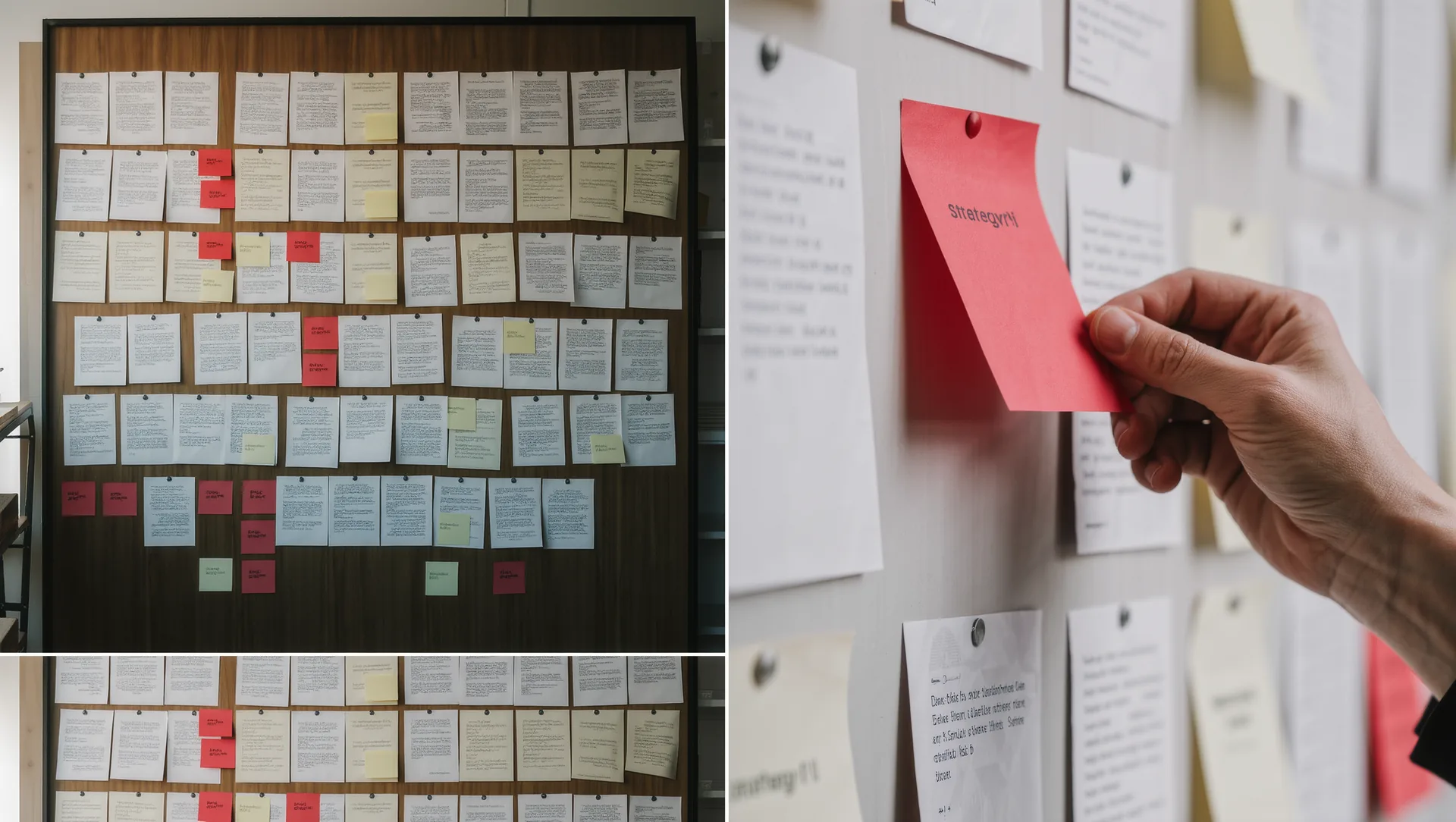
Performance advertising harvests demand. Brand advertising creates it. Run only the first and the harvest gets smaller every year.
Strategy & Craft
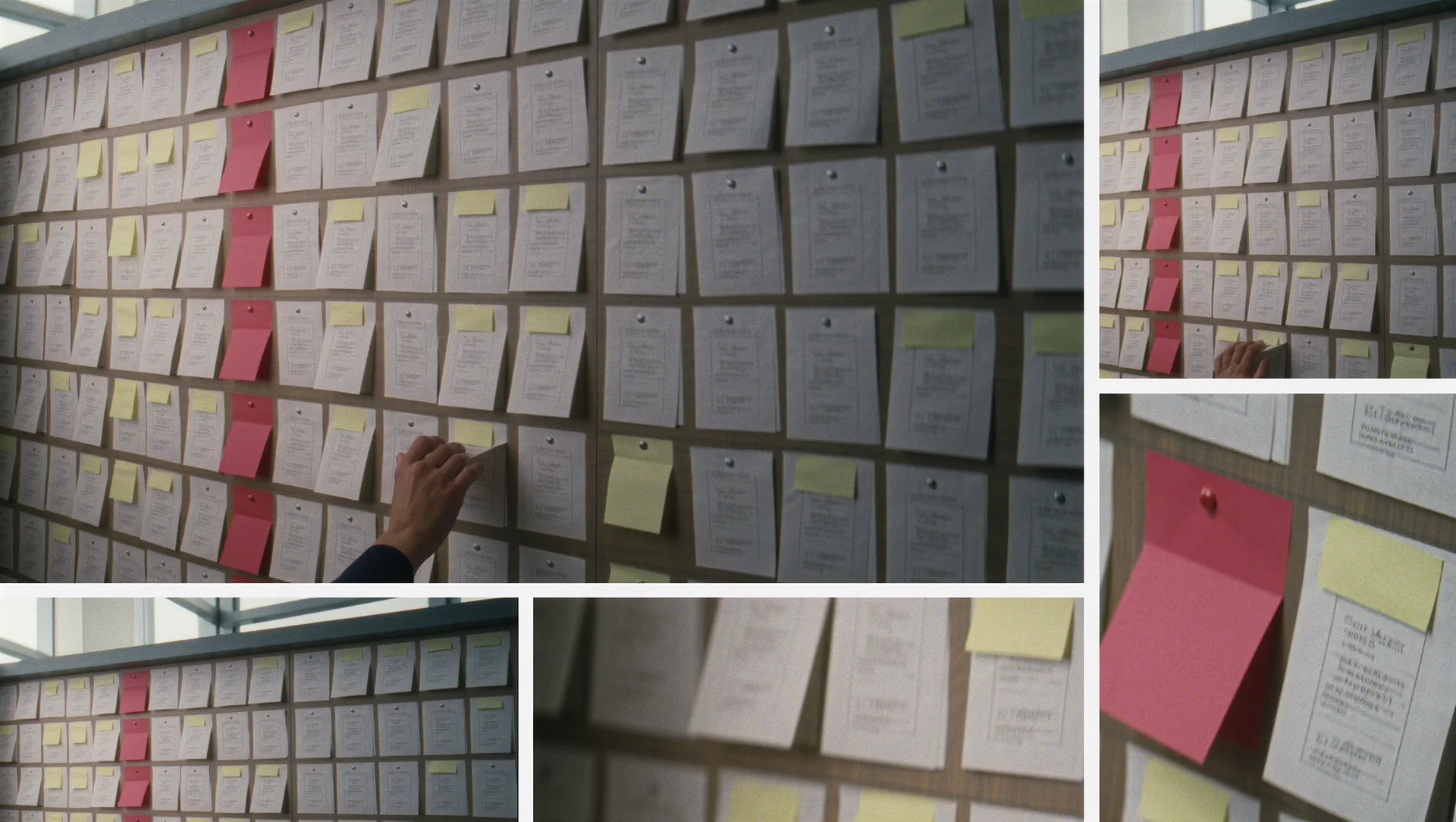
Half a day, no tools required, and it reliably produces two or three things you were not doing. The point is not to copy but to find the gap.

Strategy & Craft
Portfolios are curated and chemistry misleads. Six checks that predict the working relationship better than any pitch.

Strategy & Craft
The comparison is usually made between an agency fee and a salary, which is the wrong comparison and always favours hiring.

Strategy & Craft
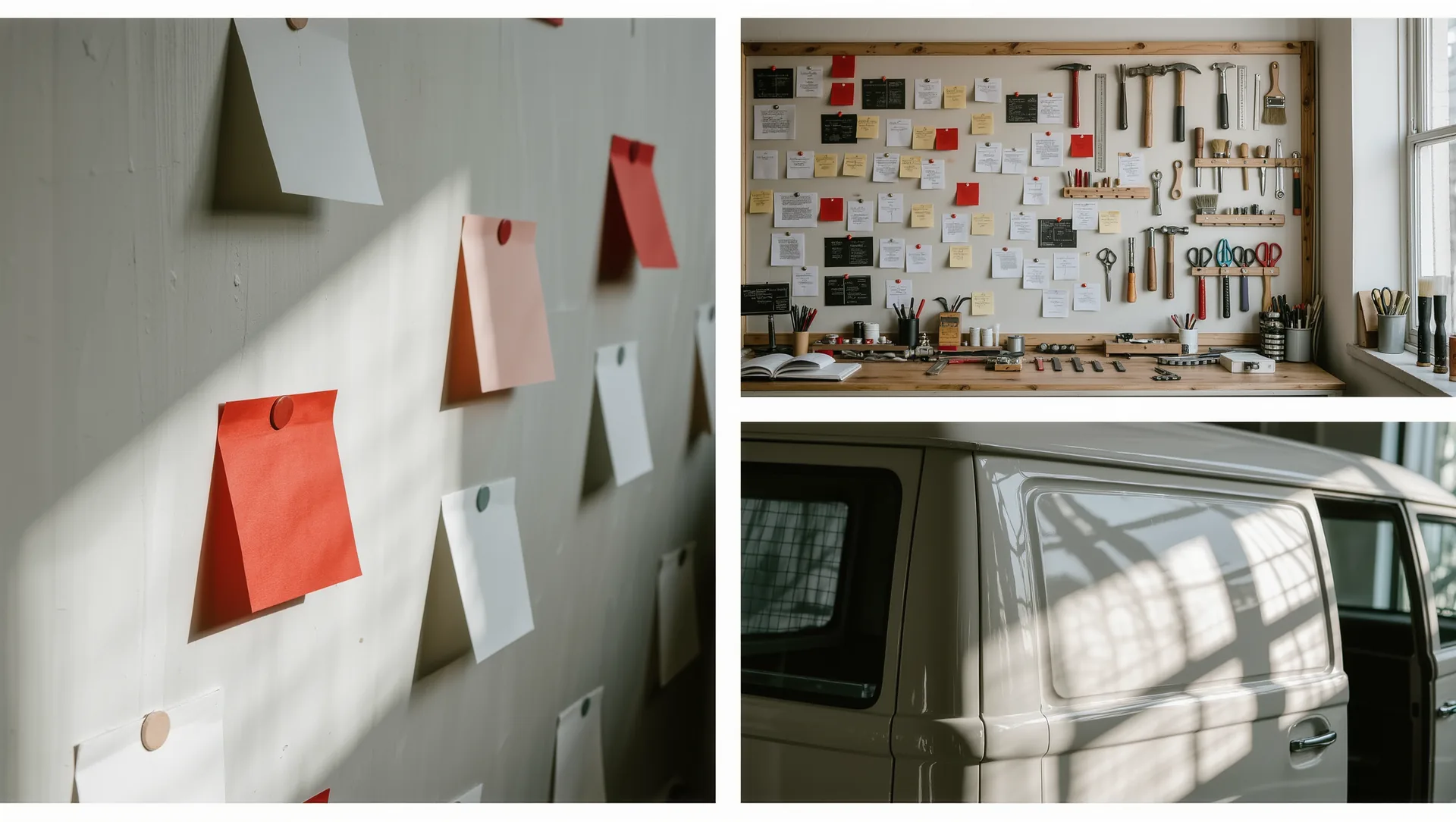
One page, twelve columns, six rows. Built in an afternoon, it prevents the two most expensive habits in advertising.
Strategy & Craft
Cutting advertising in a downturn protects this quarter and costs the next three years. The evidence on this is unusually consistent.

Strategy & Craft
Good advertising copy is not clever. It is specific, short, and about the reader. Six rules that survive every format.

Strategy & Craft
Four out of five people read only the headline. Which makes it four fifths of the work and usually the last thing written.
Strategy & Craft
The most-clicked button in the world does not say Submit. Three words decide whether an interested reader becomes an enquiry.

Strategy & Craft
Every brand is told to tell a story, and most produce a founder legend nobody believes. A usable story needs a problem, not a mission.

Strategy & Craft
A tone that exists only in a brand document changes nothing. Made usable, it is three word pairs and a list of banned phrases.

Strategy & Craft
A claim that could sit under a competitor's logo is decoration. Four tests, and the reason most firms should keep the one they have.

Strategy & Craft
Five principles that separate amateur layout from professional. None require talent and all can be checked in a minute.

Strategy & Craft
Colour psychology charts are largely folklore. What is measurable is contrast, consistency and context, and those matter more.

Strategy & Craft
Type is not decoration, it is the interface to the text. Six settings decide whether the copy you paid for is actually read.
Strategy & Craft
Generic stock photography is worse than no image. Your own mediocre photograph of real work beats a perfect photograph of strangers.

Strategy & Craft
Most brand guides are a PDF nobody opens. A working one is four pages and a folder of ready files.