Industries
Advertising for trade businesses
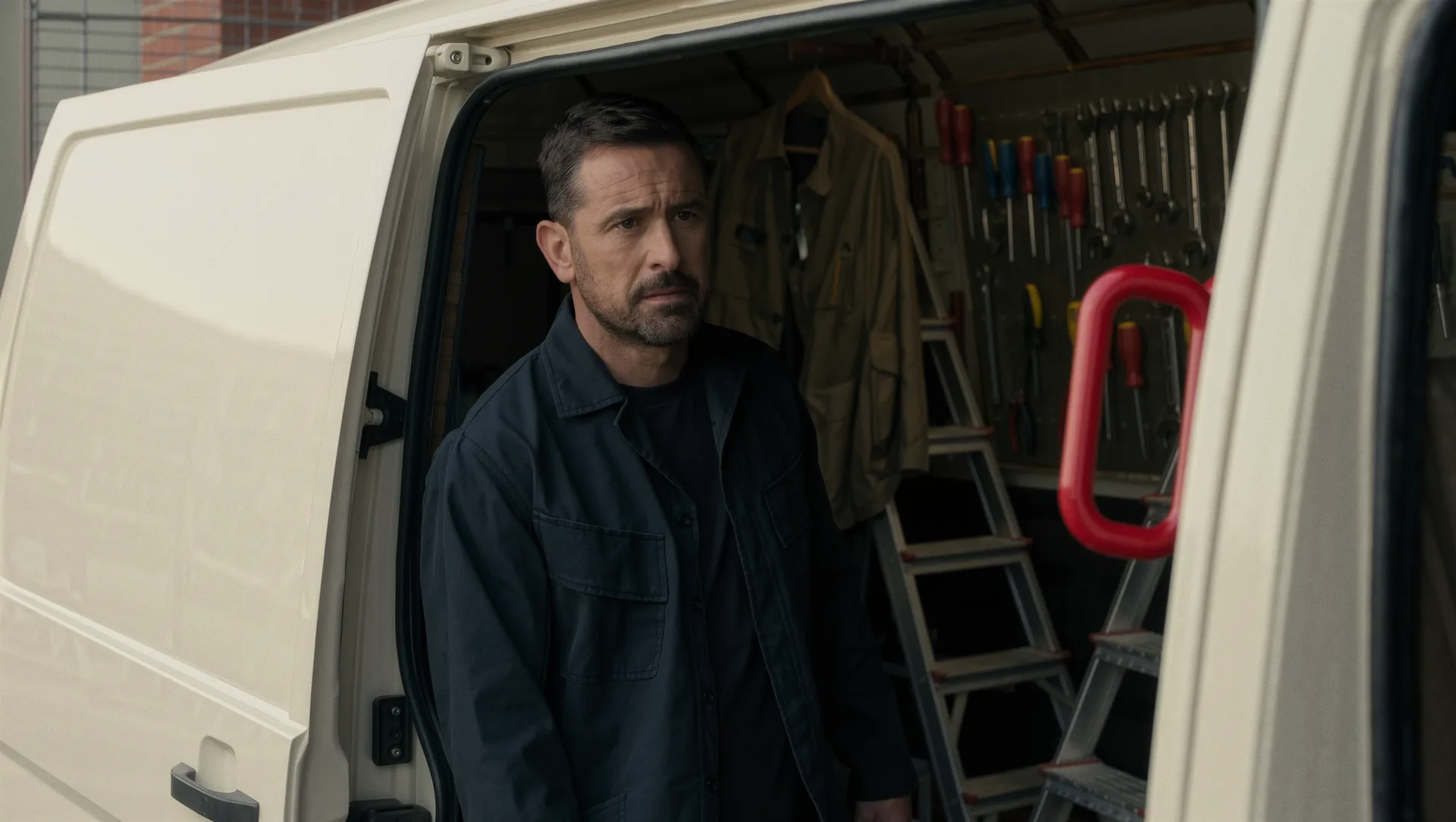
Most trade firms have too much work and too few staff. That inverts the entire advertising brief, and almost nobody adjusts for it.
2 min readMar 6, 2026
Industries
Every booking through a portal costs 15 to 25 per cent. The entire marketing question is how many of those bookings you can move to your own site.
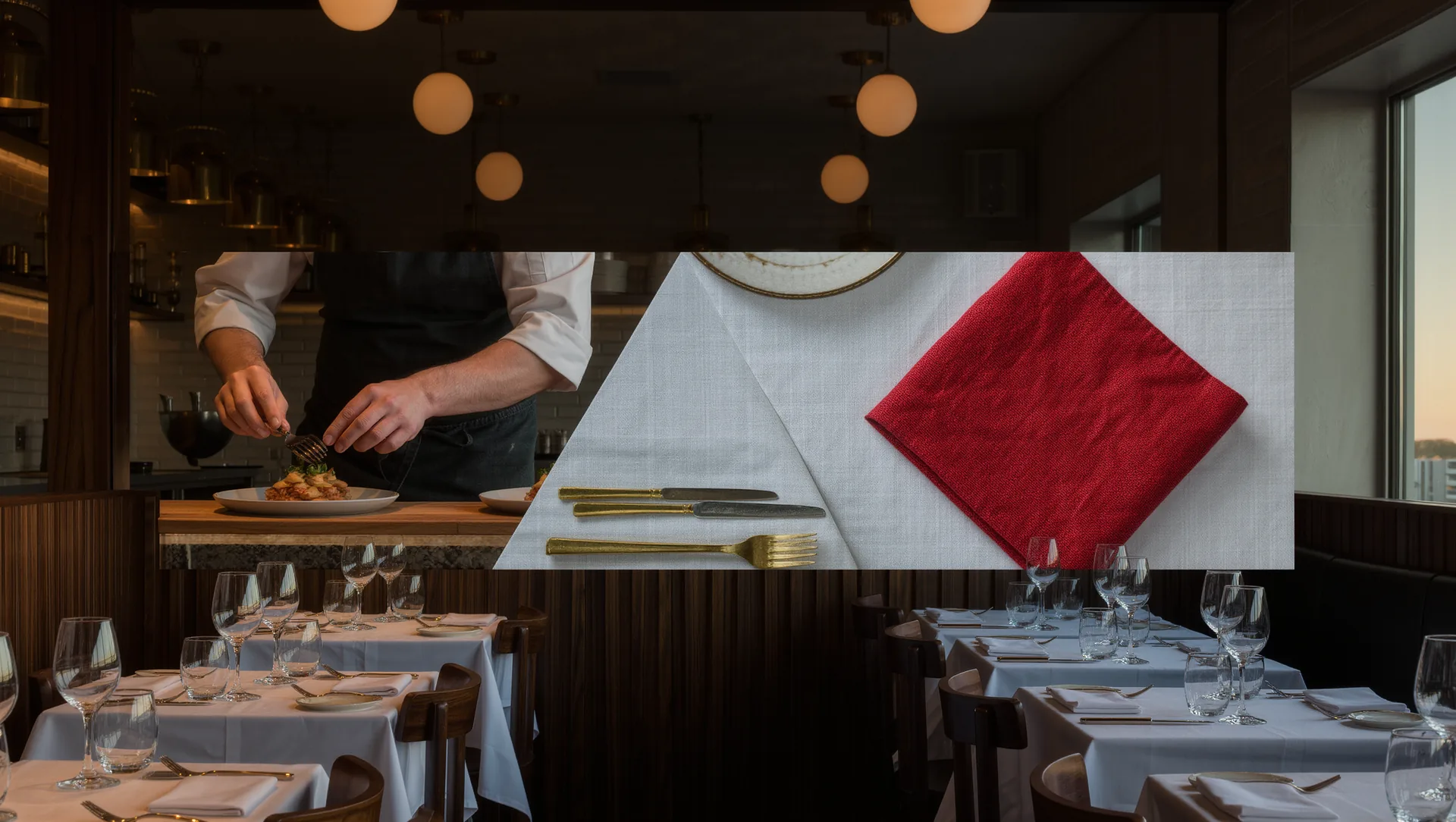
An independent hotel typically pays 15 to 25 per cent commission on portal bookings. On a £140 room that is £21 to £35 per night, which for most hotels exceeds the profit.
Portals genuinely generate awareness. A meaningful share of guests find a hotel on a portal and then book directly, if the hotel makes that possible and worthwhile.
The corollary: a hotel that leaves the portals entirely loses the discovery. The realistic aim is not zero commission but a higher direct share.
| Measure | Effect |
|---|---|
| Own booking engine that works on a phone | prerequisite |
| Something included when booking direct | high |
| Best-rate assurance stated clearly | high |
| Direct booking prompt in the confirmation email | medium |
| A card in the room at check-out | high, underused |
| Newsletter to past guests before their usual season | very high |
Because rate parity clauses often forbid a lower public price, compete on inclusions instead: breakfast, late checkout, parking, a drink, room upgrade subject to availability. All cost less than the commission.
Guests buy a picture. Hotel photography that is five years old, taken in poor light or missing the actual rooms costs bookings continuously.
The minimum set: every room category, the bathroom in each, breakfast, the exterior, the lobby, the view, and the surroundings. Twenty to forty images, replaced every three years.
Rating affects portal ranking, direct conversion and achievable rate. A hotel moving from 8.1 to 8.7 sees the effect in all three.
The mechanics: ask at check-out, respond to every review within a week, and act on the recurring complaint. Three quarters of persistent negative reviews name the same small number of issues.
Past guests are the cheapest bookings available. A list of everyone who has stayed, with consent, contacted before the season they usually book, produces direct bookings at effectively no cost.
Most independent hotels have this data and never use it.
Business travel, family visits and event stays are booked by people in the region searching for a hotel near a specific place. That traffic is winnable through search and map presence, and it does not go through the portals at all.
Contractual parity clauses often prevent showing a lower rate publicly, though their enforceability varies. Adding value is the safer route.
25 to 45 per cent for independent hotels with active effort; under 15 without it.
More from Industries
Industries
Most trade firms have too much work and too few staff. That inverts the entire advertising brief, and almost nobody adjusts for it.

Industries
Roofing demand is weather-driven, seasonal, and half of it is an emergency. Three different campaigns, not one.

Industries
Small callouts pay poorly and fill the diary. Advertising should be aimed at the three job types that actually carry the business.