Future of Advertising
Artificial intelligence in advertising
The production cost of advertising material has collapsed. What has not changed is that a good brief and a real idea are still the scarce inputs.
2 min readSep 11, 2025
Future of Advertising
Cheap, fast and legally unsettled. Three rules keep the saving without acquiring a problem you cannot see yet.
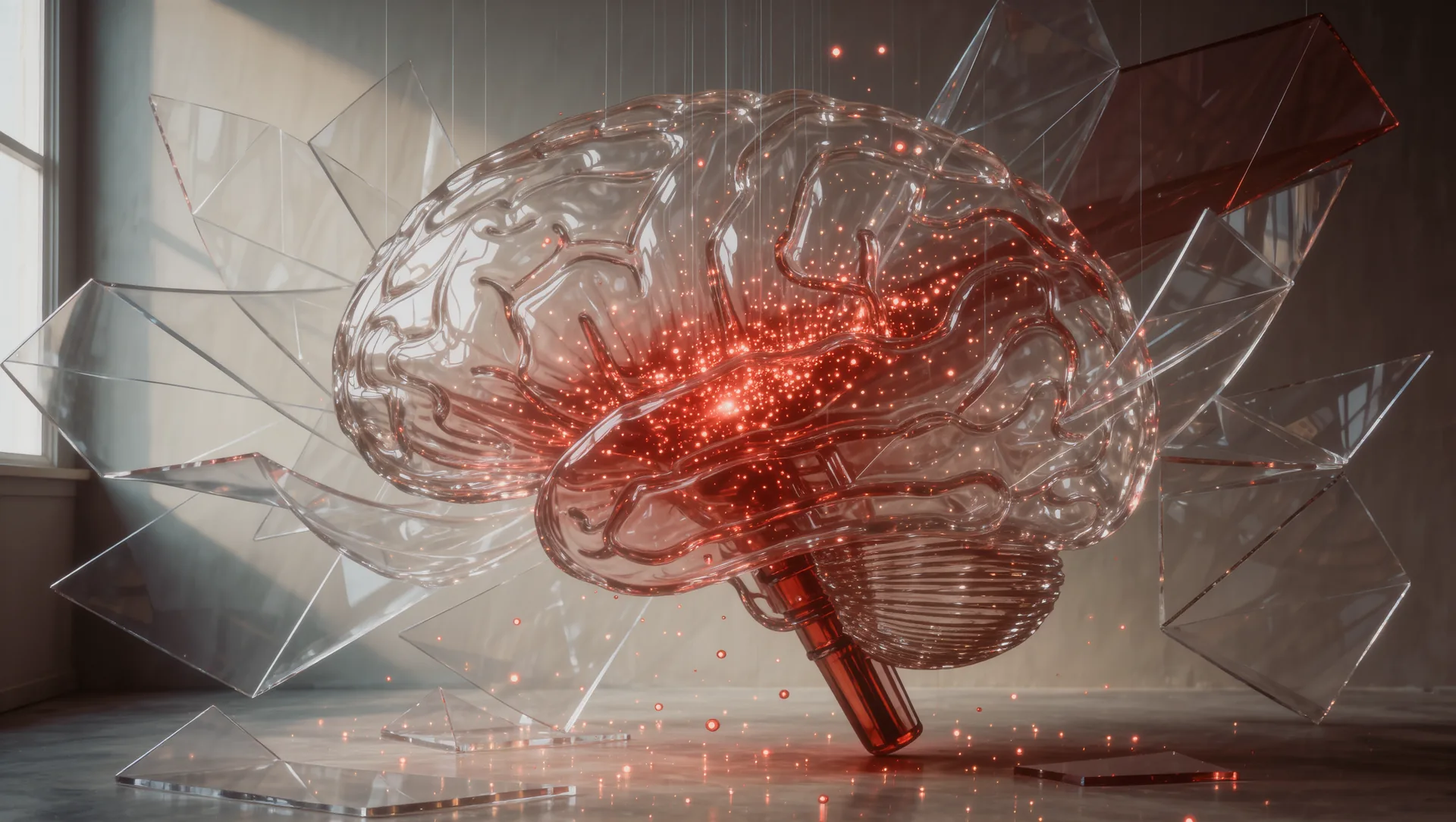
Image generation has made visual production nearly free. The savings are real and there are three places where using it costs more than it saves.
An image proving something must be real: your work, your premises, your team, your product.
A generated photograph of a completed bathroom on a bathroom fitter's website is a misrepresentation, whatever the disclaimer says. The same applies to team photographs, premises, and any image a customer would read as documentation.
In most jurisdictions, output generated without meaningful human authorship attracts no copyright protection. That has two consequences.
You may not be able to prevent a competitor from producing and using something near-identical. And you may not be able to license the image exclusively to anyone else.
For a background texture that is irrelevant. For a brand's central visual asset it is a serious weakness, and it argues for commissioning original photography or illustration for anything load-bearing.
| Use | Risk |
|---|---|
| Illustrative background figures | low, disclosure may apply |
| A generated person as a customer testimonial | high, misleading |
| A generated person resembling a real person | very high, personality rights |
| Generated children | high, additional scrutiny |
| Generated person as staff or expert | high, misleading |
Disclosure requirements for synthetic media are being introduced in several jurisdictions, with the clearest direction on realistic depictions of people. Assume you will need to label them.
Abstract and conceptual imagery. Backgrounds and textures. Illustration where photography was never going to be used. Concept visuals shown internally before commissioning production. Article images for editorial content where nothing is being claimed.
That covers a substantial share of the imagery most businesses need, and the saving on that share is genuine.
Generated images have recognisable failure modes and they are noticed by audiences who look at a lot of them: hands, text on signs and packaging, repeated patterns, teeth, reflections that do not correspond, and a particular over-smooth lighting.
Text in images is the most reliable giveaway and the most damaging in an advertising context. Exclude it in the prompt and check the result at full size.
For every published generated image: what tool, what prompt, what date, who approved it, and whether it depicts a person. Ten seconds per image, and it answers every question that might be asked later.
In most jurisdictions purely machine-generated output attracts no copyright protection, which means competitors may use something similar.
No. A generated image of a product you sell misrepresents it, which is a straightforward advertising law problem.
More from Future of Advertising
Future of Advertising
The production cost of advertising material has collapsed. What has not changed is that a good brief and a real idea are still the scarce inputs.

Future of Advertising
The draft arrives fluent, confident and frequently wrong. A four-stage check catches what fluency conceals.
Future of Advertising
Usable for backgrounds, concepts and short abstract sequences. Still unreliable for anything a viewer will study, and the failure modes are specific.