Moving image is expensive to produce and cheap to deliver. That inversion of the usual cost structure is what makes the channel interesting for mid-sized firms.
Jun 28, 20262 min read477 words
Key points
Viewable contacts often cost under 3 pence, cheaper than any other moving-image surface.
Skippable ads are only charged after 30 seconds, which changes the calculation.
The first five seconds are the actual advertisement.
YouTube is the second-largest search engine after search itself and simultaneously the cheapest moving-image surface on the market. Together that makes a channel suited to two very different jobs: building reach and harvesting concrete demand.
The formats and what they cost
Format
Length
Charged
Cost per contact
Skippable in-stream
from 12 sec
after 30 sec view or click
£0.02 to £0.08
Non-skippable
15 to 20 sec
per thousand impressions
£8 to £25 CPM
Bumper
6 sec
per thousand impressions
£5 to £15 CPM
In-feed
free
per click
£0.08 to £0.40
Shorts
up to 60 sec
per thousand impressions
£3 to £10 CPM
The first line is the commercially interesting one. With skippable ads you pay nothing when someone clicks away after five seconds. That means the first five seconds are free reach, and you pay only for people who actually listened.
If you only pay for views past 30 seconds, a high drop-off at second six is not a problem but a filter that saves you money.
The five seconds that matter
Build the spot so the core message stands complete within the first five seconds. Everything after that deepens it but replaces nothing.
A working structure for a 30-second film: seconds 0 to 5 name the problem and show the brand, in picture rather than in voice; 5 to 15 show the solution, concretely and visibly; 15 to 25 give proof, a number, a reference or a demonstration; 25 to 30 give a single next step.
Targeting is the real lever
The audience options differ sharply in effect. Intent audiences built from search terms, people who searched recently, are the strongest option for direct response. Placements on named channels, where you choose the channels your ad runs on, work excellently for niches in B2B. Topics and content types are coarse but cheap and usable for reach. Your own data and remarketing give the best cost per conversion within a limited pool. Demographics alone make sense only for very broad consumer offers.
Planning the production realistically
A usable spot needs three things that cost money and one that costs nothing. Costing money: good sound, sufficient light, an edit with pace. Costing nothing: a statement that is true and that nobody else can make in the same way.
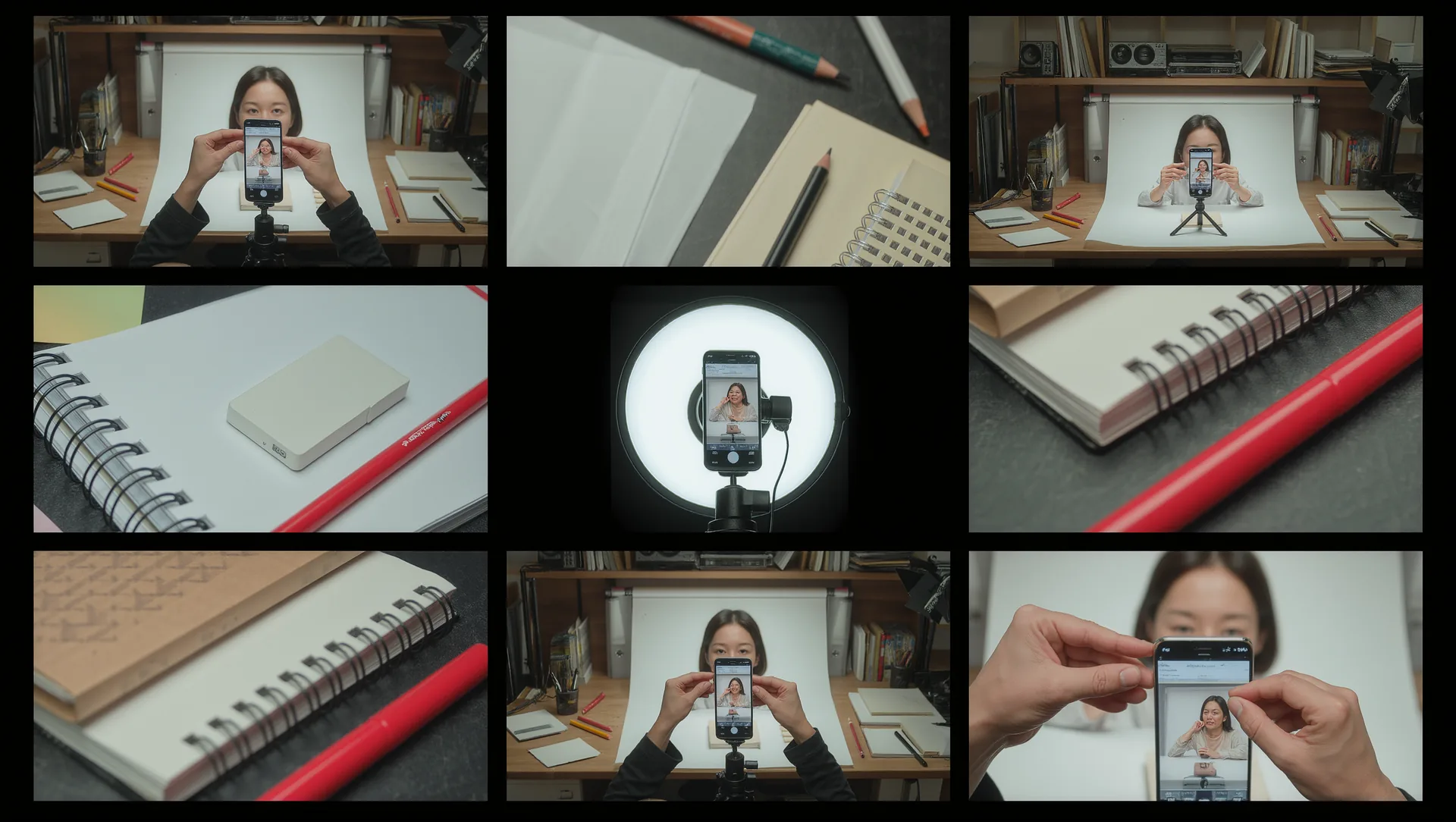
Firms consistently underestimate sound. A phone image with a good lavalier microphone reads as more professional than a camera image with the built-in mic. A usable lavalier costs under £100.
Measurement beyond views
Views are the channel's least useful metric. What matters: view rate, the share who stay 30 seconds, where above 25 per cent is good; cost per view compared between creatives; brand searches in the days after launch, which is the best evidence of effect; and assisted conversions, because this channel is rarely the last contact before purchase.
That third point gets forgotten. If searches for your company name rise 30 per cent after a video campaign starts, the campaign is working, even if the ad account shows few direct conversions.
Frequently asked questions
What does a usable ad film cost?
Between £800 for a solid in-house production with good sound and £15,000 for an agency production. The jump in effect is far smaller than the jump in price.
Should the logo come first?
No. The first five seconds are the only ones guaranteed to be seen. Do not waste them on a logo.
Cost per click is the most widely misread number in online marketing. Look only at it and you will pay more per customer than the competitor with the pricier click.
A campaign type that plays across every channel and shows you almost nothing. For some firms it is the strongest lever available; for others an expensive trap.