Print & Out-of-Home
Print advertising is not dead, just pricier
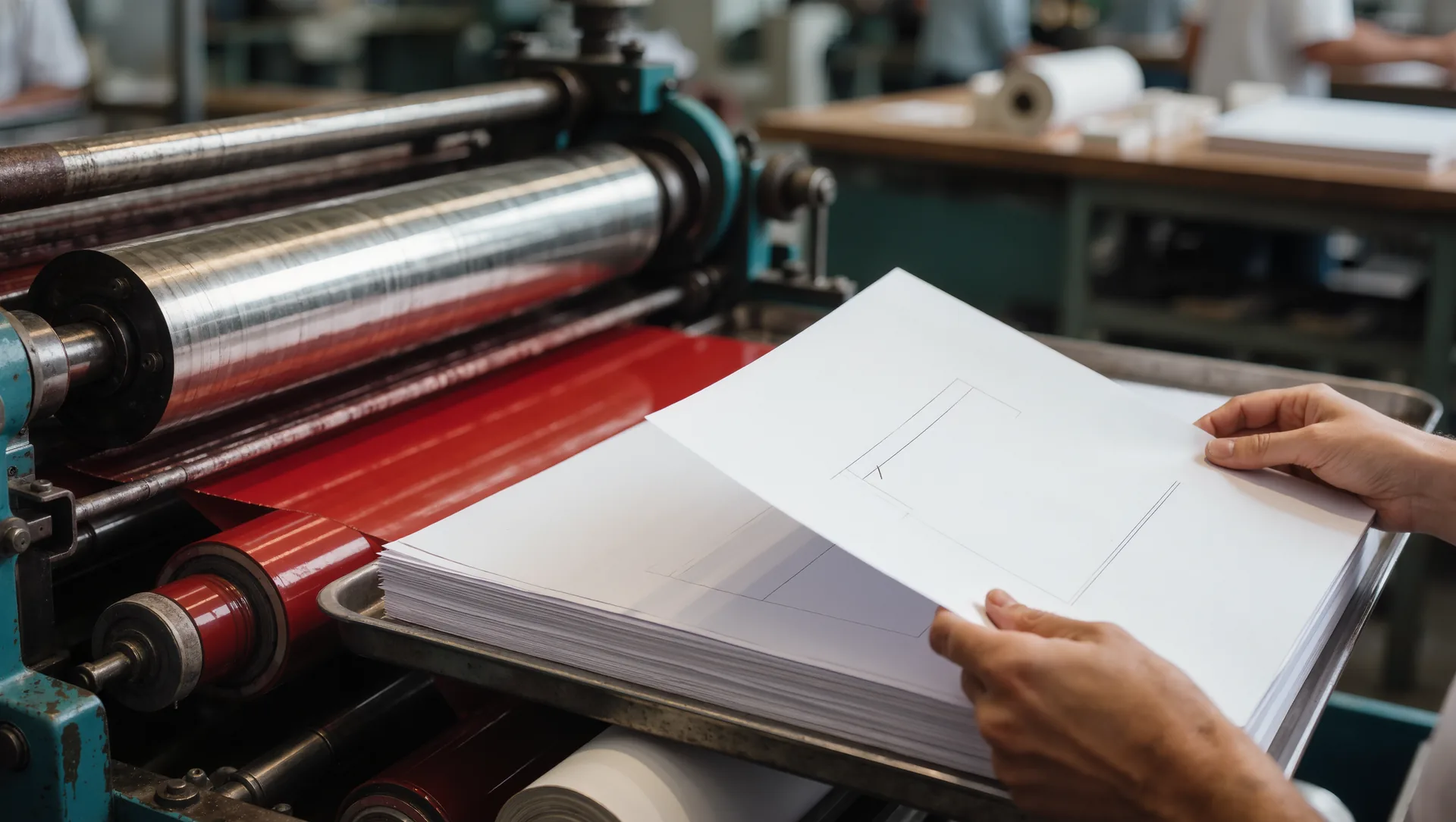
Circulation has fallen and cost per contact has risen. What has also risen is the attention a printed page receives, and that changes the sum.
2 min readNov 2, 2025
Print & Out-of-Home
The stand is the smallest part of the cost and the largest part of the attention. What decides the return is what happens in the six weeks either side.

Trade show budgets are consumed by the stand and the return is determined almost entirely by activity before and after the event.
| Item | Share of total |
|---|---|
| Floor space | 25 to 35 % |
| Stand build and furniture | 25 to 35 % |
| Staff time, travel, accommodation | 20 to 30 % |
| Materials, samples, catering | 5 to 10 % |
| Follow-up | rarely budgeted |
Staff time is the largest hidden cost. Four people for three days plus travel is more than most stand builds.
The single highest-return activity is arranging appointments in advance with named contacts.
Six weeks out, contact every customer, prospect and lapsed account attending, and offer a specific time. A stand with twelve booked meetings across three days is a productive investment. A stand hoping for passing traffic is a lottery.
Three seconds to communicate what you do from the aisle. That means one large, legible statement of what you make or do, visible above head height.
Common errors: the company name large and the activity absent; a stand crowded with product so nothing stands out; staff seated behind a table, which reads as a barrier; and a stand so open it offers nowhere to have a conversation.
Leave floor space. A stand that is 40 per cent empty draws people in; one that is full repels them.
More stands fail on staffing than on design. People standing in a group talking to each other, looking at phones, or eating are the most common sight at any exhibition.
Rules that work: two people on the stand at any time, rotating every two hours; nobody sits; nobody eats on the stand; and a specific opening question that is not "can I help you".
Scanning every badge produces a list of people who walked past. It is worthless and it wastes the follow-up.
Record instead: who they are, what they actually need, when they are buying, and what was agreed. Twenty of those beat four hundred scans.
The value decays fast. Contact made within five days is remembered; contact after three weeks is not.
Plan the follow-up before the show: who calls whom, what is sent, and by which date. Block the diary for the week after the event.
Most exhibition investment is lost here, in the return to a full inbox and no plan.
Qualified conversations, opportunities created, and revenue attributed over the following twelve months. Compare that against the full cost including staff time, and decide about next year with a number rather than a feeling.
Space is typically a third of the total. Build, staff, travel, materials and follow-up make up the rest. Budget three times the space cost.
In industrial and specialist B2B sectors, yes, provided the pre-booking and follow-up are done. Without those, usually not.
More from Print & Out-of-Home
Print & Out-of-Home
Circulation has fallen and cost per contact has risen. What has also risen is the attention a printed page receives, and that changes the sum.

Print & Out-of-Home
The rate card is a starting point, the position matters more than the size, and the readership figure is not the number you should plan with.

Print & Out-of-Home
Small circulations, high cost per thousand, and almost no waste. For business-to-business advertisers this is frequently the most efficient channel available.