Print & Out-of-Home
Print advertising is not dead, just pricier
Circulation has fallen and cost per contact has risen. What has also risen is the attention a printed page receives, and that changes the sum.
2 min readNov 2, 2025
Print & Out-of-Home
Cheaper per household than distribution, targetable by district, and measurable. The most underrated local channel available.
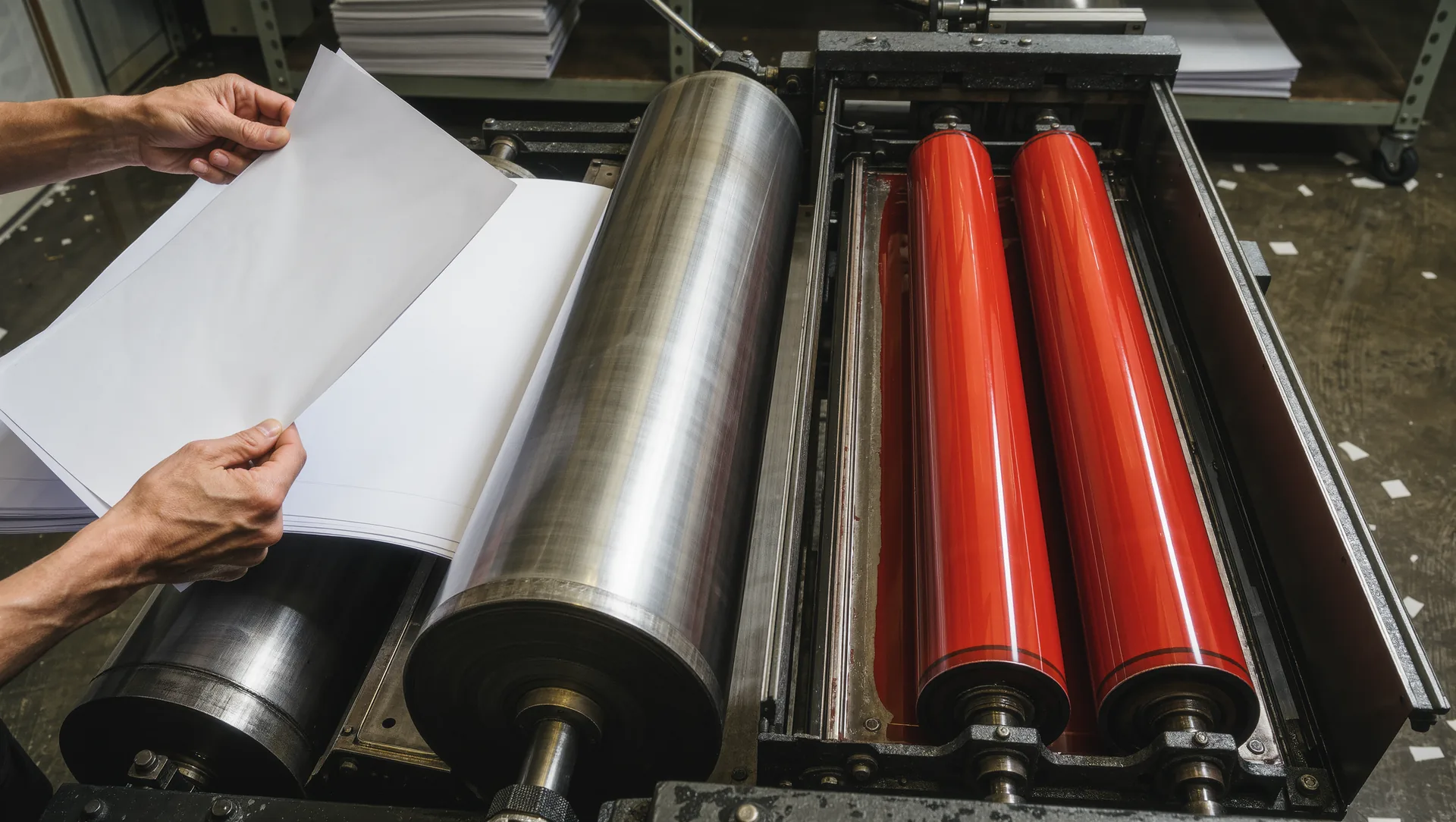
An insert is a separate printed sheet placed inside the newspaper. It is treated as a minor option and is frequently the most efficient local advertising available.
An advertisement competes with the page it sits on. An insert falls out, is physically handled, and is either kept or discarded, which is a stronger interaction either way.
Response rates for inserts typically exceed those of a comparable advertisement in the same publication, for a similar total cost.
The important and underused feature: most publishers allow selection of specific delivery rounds or postcode districts.
That converts a regional newspaper into a local distribution network. A trade business can insert into the four districts it serves rather than paying for the whole circulation.
Ask the advertising department directly for the district-level breakdown and rates. It is rarely in the media pack.
| Channel | Cost per thousand households | Notes |
|---|---|---|
| Insert in a paid newspaper | £30 to £70 plus print | reaches subscribers |
| Unaddressed leaflet distribution | £40 to £90 | reaches all households |
| Addressed direct mail | £400 to £900 | reaches named individuals |
| Insert in a free paper | £20 to £45 plus print | lower attention |
The paid newspaper subscriber is a more attentive recipient than a household receiving unaddressed material, which is why the response gap is usually larger than the cost gap.
Heavier stock stays in the paper and feels substantial. Very light paper falls out during handling and is lost.
An unusual format, such as a narrow strip or a folded card, stands out in a stack of inserts and costs slightly more to insert. Ask about format surcharges before designing.
Everything that applies to leaflets applies here. A specific offer with a stated expiry date, a clear response route, and a reason relevant to that district.
Inserts distributed on a Thursday or Friday for a weekend decision perform better in consumer categories.
Because the district is known and the date is known, inserts are among the easiest print formats to measure.
Use a code or a dedicated address, and compare enquiry volume in the inserted districts against comparable districts that received nothing. That comparison, run twice, tells you whether to continue.
Yes. Most newspapers allow selection by delivery district, which makes inserts far more precise than the circulation figure suggests.
Typically £30 to £70 per thousand for insertion, plus printing. Ask for the district-level rates.
More from Print & Out-of-Home
Print & Out-of-Home
Circulation has fallen and cost per contact has risen. What has also risen is the attention a printed page receives, and that changes the sum.
Print & Out-of-Home
The rate card is a starting point, the position matters more than the size, and the readership figure is not the number you should plan with.
Print & Out-of-Home
Small circulations, high cost per thousand, and almost no waste. For business-to-business advertisers this is frequently the most efficient channel available.