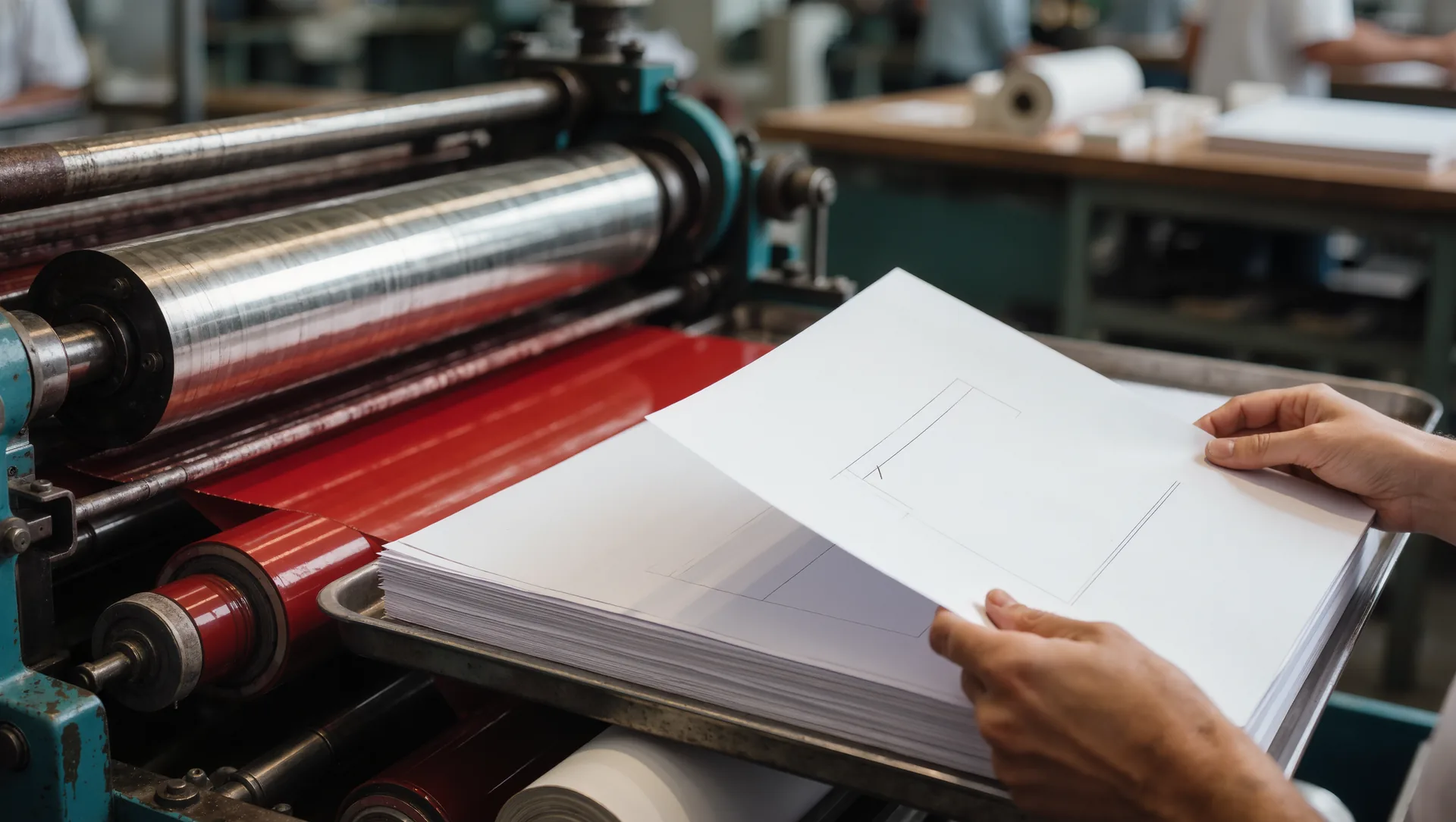
Print & Out-of-Home
Print advertising is not dead, just pricier
Circulation has fallen and cost per contact has risen. What has also risen is the attention a printed page receives, and that changes the sum.
2 min readNov 2, 2025
Print & Out-of-Home
Expensive, slow, and one of the few marketing formats customers actively keep. Worth it for a specific kind of business and wasteful for the rest.

A customer magazine is a substantial commitment. It works for a narrow set of businesses and is a costly indulgence for the rest.
Would a customer keep this if the company name were removed?
If the honest answer is no, it is a brochure with a page count, and it will be read once and discarded. If yes, it is a magazine and it will sit on a table for months.
| Business type | Why |
|---|---|
| Manufacturers with a specifier audience | technical content has real value |
| Cooperatives and member organisations | the members expect it |
| Professional services with long relationships | demonstrates thinking |
| Agricultural and trade suppliers | seasonal information is genuinely used |
| Health and care providers | reassurance and practical information |
| Retail with a browsing category | inspiration drives purchase |
Where it fails: fast-moving consumer categories, businesses with transactional relationships, and anyone whose content would consist entirely of product news.
A working ratio is roughly 70 per cent genuinely useful or interesting content, 30 per cent about the company.
Content that earns its place: practical guidance the reader will act on, customer stories with substance, developments in the sector explained, interviews with people the reader knows of, and data the company holds that nobody else does.
Content that does not: staff appointments, office moves, anniversary celebrations, and product announcements dressed as articles.
Two or three issues a year, produced properly, beats quarterly produced under pressure.
The reason is content supply. Most organisations can generate two issues of genuinely good material a year and cannot generate four. The fourth issue is where the padding appears, and padding trains readers to stop opening it.
This is a format where print retains a genuine advantage. The magazine sits in a waiting room, an office or a workshop and is picked up repeatedly over months.
A digital equivalent is read once by a fraction of the list. If the budget only supports digital, produce something else instead.
The primary list is existing customers, which is where the retention value sits. Secondary distribution costs little and is worth planning: waiting rooms, trade counters, partner businesses, trade fairs and conferences.
Difficult and worth attempting. Practical approaches: a reader survey once a year, a response device in each issue, tracking whether recipients buy more than a comparable non-receiving group, and simply asking customers whether they read it.
The last frequently produces the most useful answer, which is sometimes that they do not.
Businesses with long customer relationships, high order values and something genuinely to say: manufacturers, professional services, cooperatives, associations.
A 16-page magazine, professionally produced, from around £4,000 per issue plus print and postage.
More from Print & Out-of-Home
Print & Out-of-Home
Circulation has fallen and cost per contact has risen. What has also risen is the attention a printed page receives, and that changes the sum.
Print & Out-of-Home
The rate card is a starting point, the position matters more than the size, and the readership figure is not the number you should plan with.
Print & Out-of-Home
Small circulations, high cost per thousand, and almost no waste. For business-to-business advertisers this is frequently the most efficient channel available.