Industries
Advertising for trade businesses
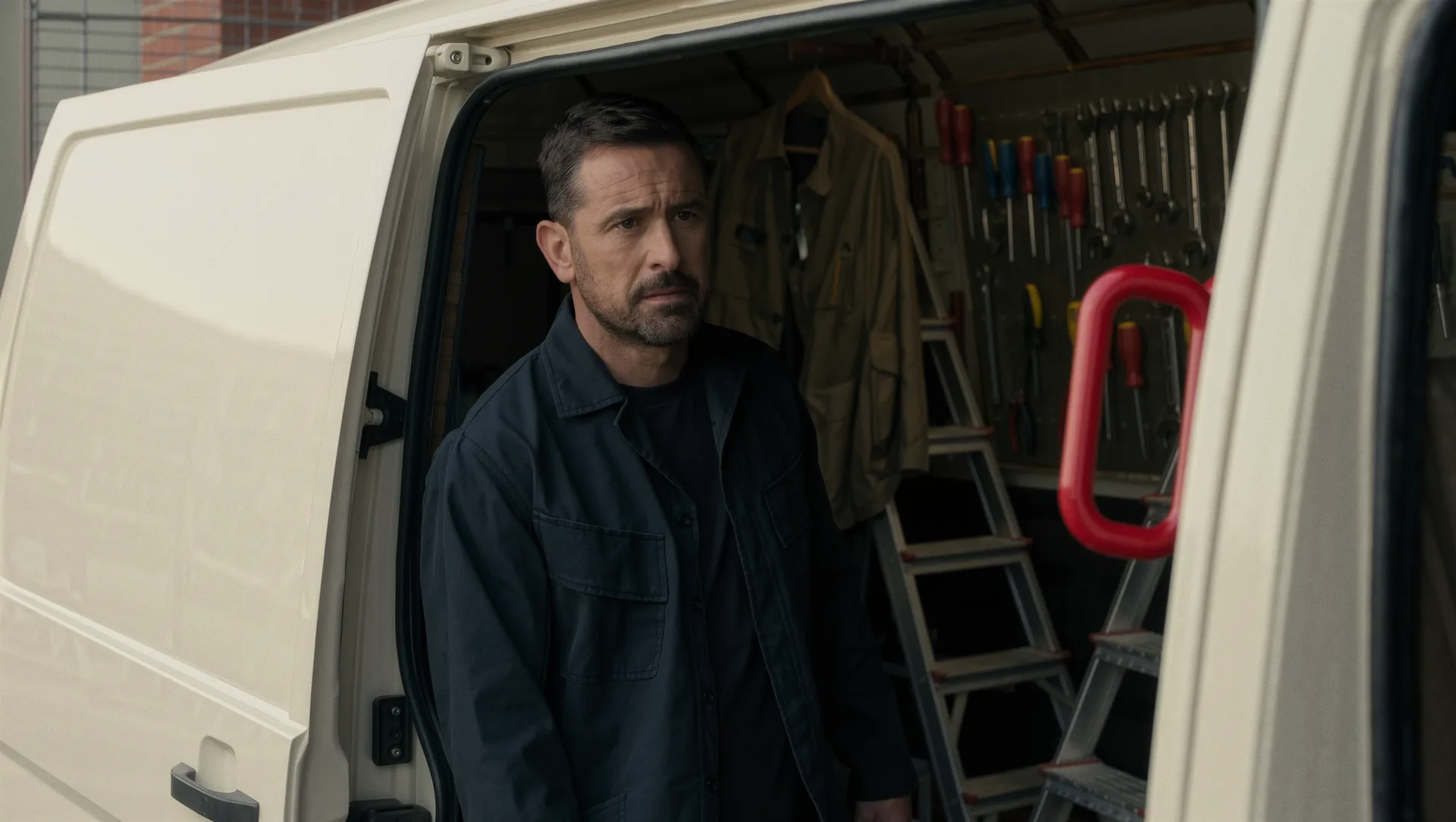
Most trade firms have too much work and too few staff. That inverts the entire advertising brief, and almost nobody adjusts for it.
2 min readMar 6, 2026
Industries
The customer arrives having done ninety per cent of the research. Advertising decides whether they arrive at your forecourt or a competitor's.

Car buyers spend weeks online and visit one or two dealerships. By the time they arrive, the shortlist is made. Advertising decides membership of that shortlist.
For used vehicles the listing is the advertisement. Its quality determines enquiry volume more than any campaign.
| Element | Effect |
|---|---|
| 30 or more photographs including faults | very high |
| Full specification, correctly entered | very high |
| Video walkaround | high, rarely done |
| Service history stated | high |
| Honest description of wear | high, builds trust |
| Price without "on request" | essential |
Photographing the faults sounds counterproductive and is not. It removes the wasted visit, and it signals honesty in a sector where customers expect the opposite.
Online enquiries decay fast. A reply within an hour converts several times better than one the next day, and dealership averages are poor.
Measure it. Send a test enquiry through every route you offer, including the portals, on a Saturday afternoon.
Workshop and parts revenue is steadier, higher margin and less cyclical than vehicle sales, and it is where the customer relationship actually lives.
It is also barely advertised. What works: service reminders timed to the interval, transparent pricing for common jobs, courtesy vehicle availability stated, and a booking system that shows actual slots.
Retaining a service customer for eight years is worth more than most vehicle sales, and it produces the next sale as well.
Portals supply the discovery and take the margin. The structural response is the same as in hotels: use them for reach, convert to direct.
That means every portal enquiry, test drive and purchase should result in the customer being reachable directly next time, with consent.
Buyers have specific, unresolved questions: charging at home, real range in winter, battery warranty, residual values, running cost against petrol.
A dealership that answers those honestly, with local specifics, collects enquiries months before the purchase. Most publish manufacturer marketing instead.
Technicians are the constraint in most dealer groups. Every asset built for customer marketing serves recruitment, and published pay, training and progression are unusual enough in the sector to work as differentiators.
Practically yes for used stock, but the enquiries should be converted to your own channel. Portal dependency is the sector's structural problem.
Enquiry response time. Most dealerships answer online enquiries in more than a day, by which point the customer has bought elsewhere.
More from Industries
Industries
Most trade firms have too much work and too few staff. That inverts the entire advertising brief, and almost nobody adjusts for it.

Industries
Roofing demand is weather-driven, seasonal, and half of it is an emergency. Three different campaigns, not one.
Industries
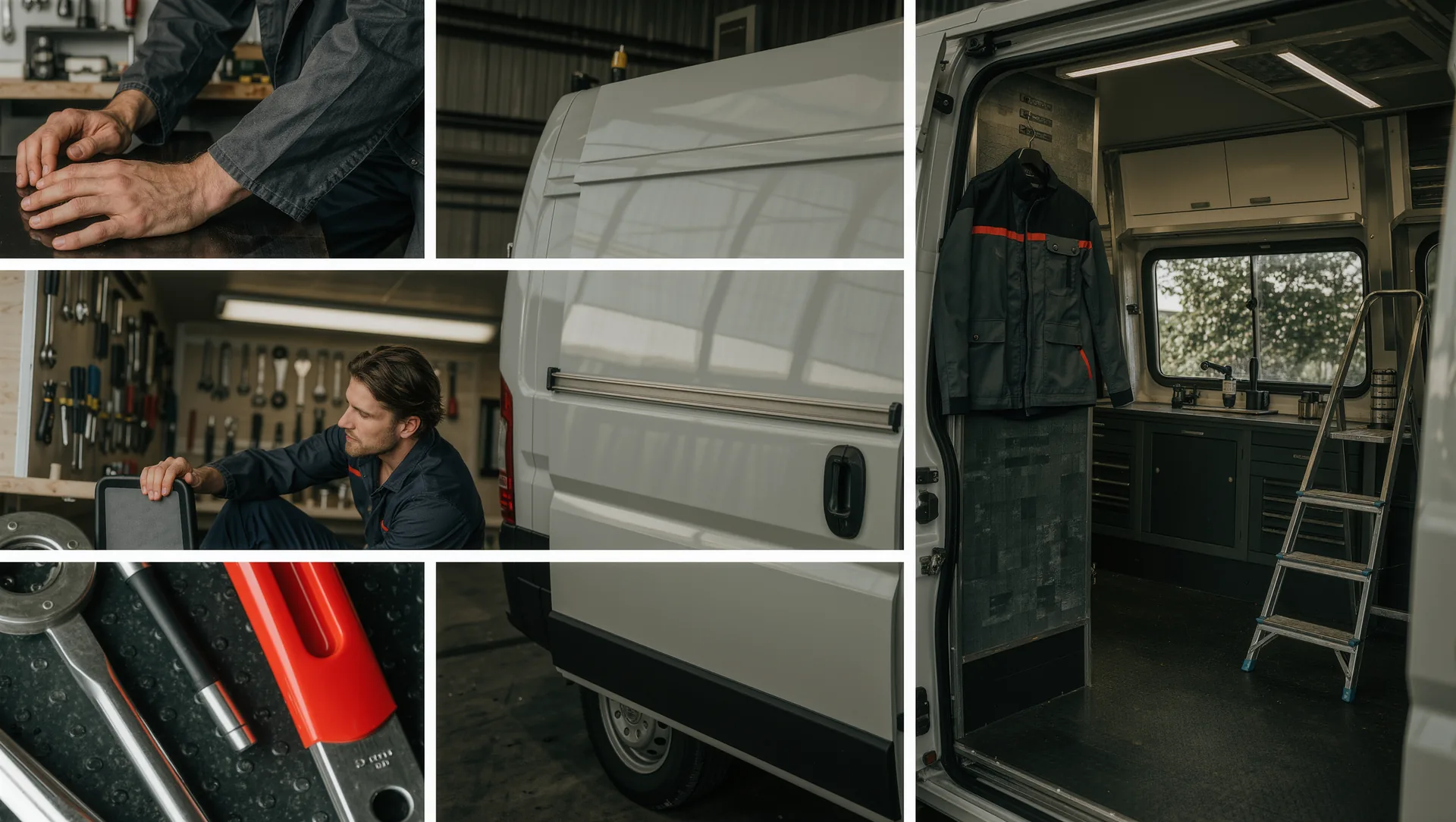
Small callouts pay poorly and fill the diary. Advertising should be aimed at the three job types that actually carry the business.