
PR & Communications
Press releases that actually get printed
An editor decides in eight seconds. What decides it is whether there is a story, and most releases do not contain one.
2 min readJul 21, 2025
PR & Communications
Press conferences are usually the wrong format and are held anyway. Individual briefings produce better coverage in almost every case.
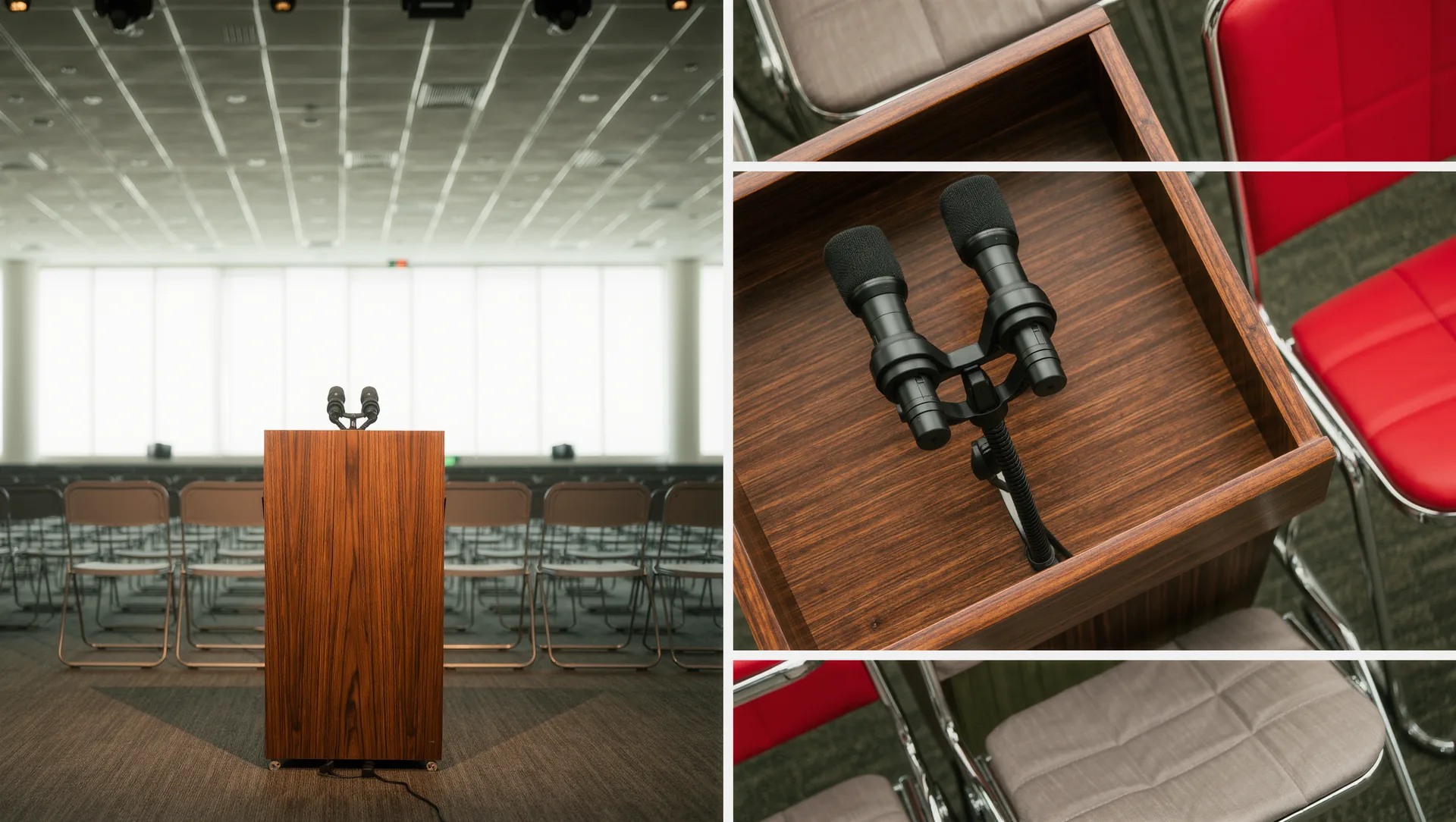
The press conference is the default format for anything considered important, and it is usually the wrong choice.
Journalists attend press conferences reluctantly. They receive the same information as their competitors, cannot ask a distinctive question without giving away their angle, and spend two hours for material that could have arrived by email.
The result is short, identical coverage in every outlet, or no coverage at all.
| Situation | Format |
|---|---|
| Genuine breaking news of wide interest | conference |
| A crisis requiring one statement to all | conference |
| An opening or event with something to see | conference or visit |
| A product launch of general interest | usually individual |
| Results, appointments, partnerships | individual or release |
| Technical or trade news | individual briefings |
| Local business news | individual, always |
The dividing line is whether journalists would compete to be there. If they would not, they are doing you a favour by attending, and favours run out.
Contact three to six journalists separately. Offer each a conversation, some access, and where possible a distinct angle.
The result: longer articles, differentiated coverage across outlets, and a relationship with each journalist rather than a room full of people receiving a statement.
It takes more time and produces considerably more.
For anything with a physical dimension, so a factory, a construction project, a new facility, an invitation to visit outperforms both formats.
Journalists get photographs, atmosphere and detail they cannot obtain from a statement. Coverage is longer and more favourable, because the visit produces material.
Whichever format, send the material to everyone who could not attend, on the same day, with an offer of a conversation.
Journalists who could not come often produce the coverage, because the story reaches them without competition for their attention.
Genuine breaking news, a crisis requiring one statement to everyone, or an event with something to see. Rarely otherwise.
If fewer than six will attend, hold individual briefings instead.
More from PR & Communications
PR & Communications
An editor decides in eight seconds. What decides it is whether there is a story, and most releases do not contain one.
PR & Communications
Bought distribution lists produce nothing. Thirty names you researched yourself produce coverage, and the research takes an afternoon.

PR & Communications
The pitch is one paragraph and it is about their readers, not your company. Everything else in the relationship follows from getting that right once.